

NFT art is revolutionizing the way digital art is created, sold, and collected. The emergence of NFTs (non-fungible tokens), unique digital assets based on blockchain technology, has changed how artists distribute their work and connect with collectors. These innovations are transforming the landscape of nft art and giving modern creators powerful new tools for visibility and monetization.
What are NFTs?
NFTs are cryptographic tokens that represent ownership of a unique digital asset. Unlike cryptocurrencies like Bitcoin or Ethereum, which are fungible and can be exchanged equally, each NFT is unique and cannot be replicated. This makes them an ideal solution for certifying the authenticity and ownership of digital art.
Steve Aoki, famous DJ and music producer, is a fervent supporter and promoter of NFTs. He has highlighted their transformative potential in the music and digital art industries. Steve once commented on NFTs: “NFTs make me feel like a kid again!”

Are you into nft art? 🎨
Explore my exclusive collections on Opensea and discover pieces that inspire.
The Impact of NFTs on Digital Art
New Opportunities for Artists
NFT art is creating unprecedented opportunities for digital artists. Before the rise of NFTs, many artists struggled to monetize their work due to how easily digital content could be copied and shared without consent. Thanks to NFTs, artists can now sell unique pieces, securing both ownership and authenticity. This evolution has led to the emergence of NFT artists who are now gaining recognition in the NFT community.
Democratization of the Art Market
NFT art also plays a crucial role in democratizing the art market. NFT technology enables artists to sell their work directly to collectors, eliminating the need for galleries or agents. This reduces costs and opens global access to digital art. Platforms like OpenSea and Rarible have become essential in driving this change, powering NFT launches and supporting large NFT collections.
New Forms of Artistic Expression
NFTs have expanded the creative horizons of artists. They can now incorporate multimedia, interactivity, and evolving elements into a single piece of art. This has birthed a new wave of nft art experiences never seen before. Artists experiment with generative art, works that evolve over time or respond to viewer interaction. This genre of CryptoArt is becoming increasingly popular in the NFT community and in art galleries focused on modern art.
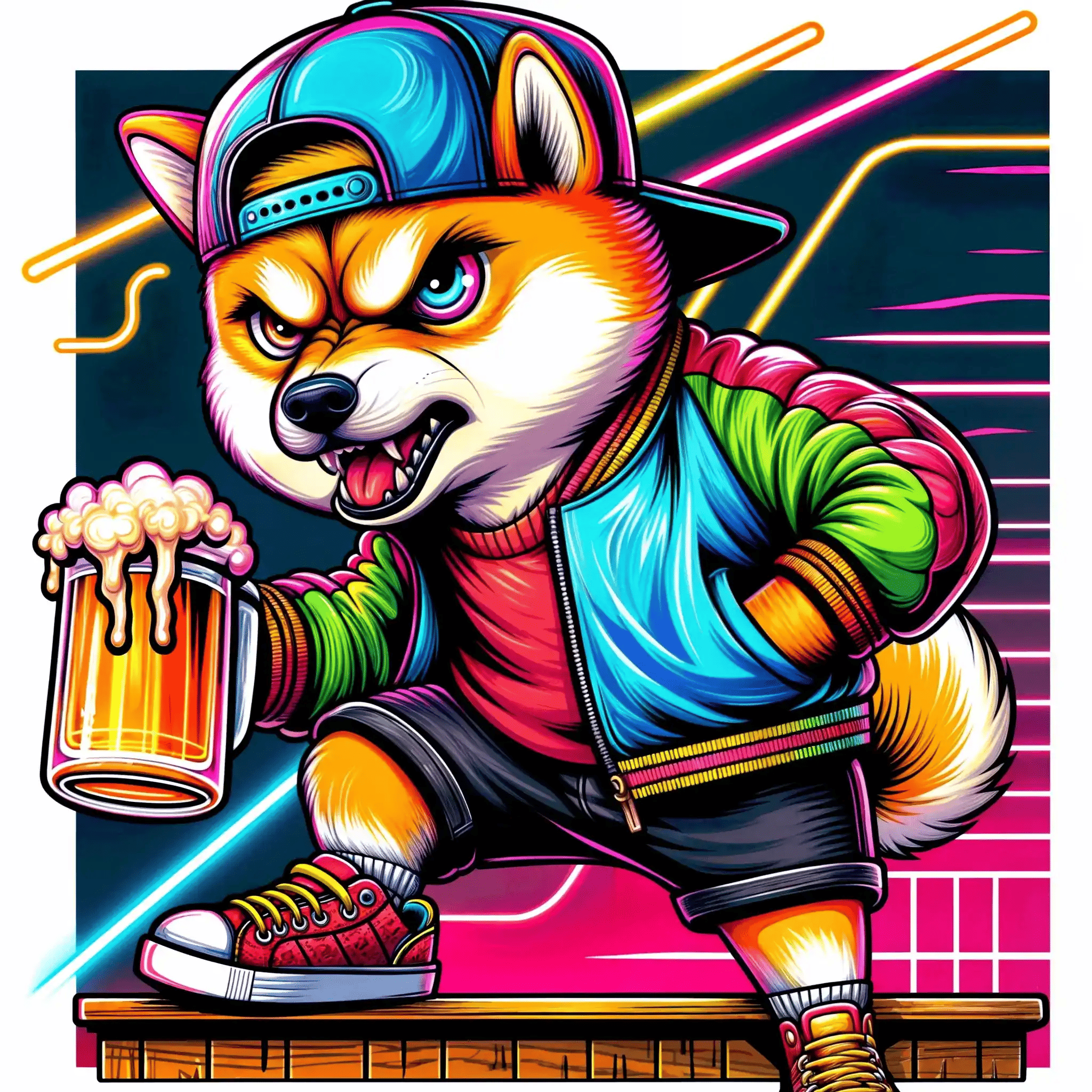
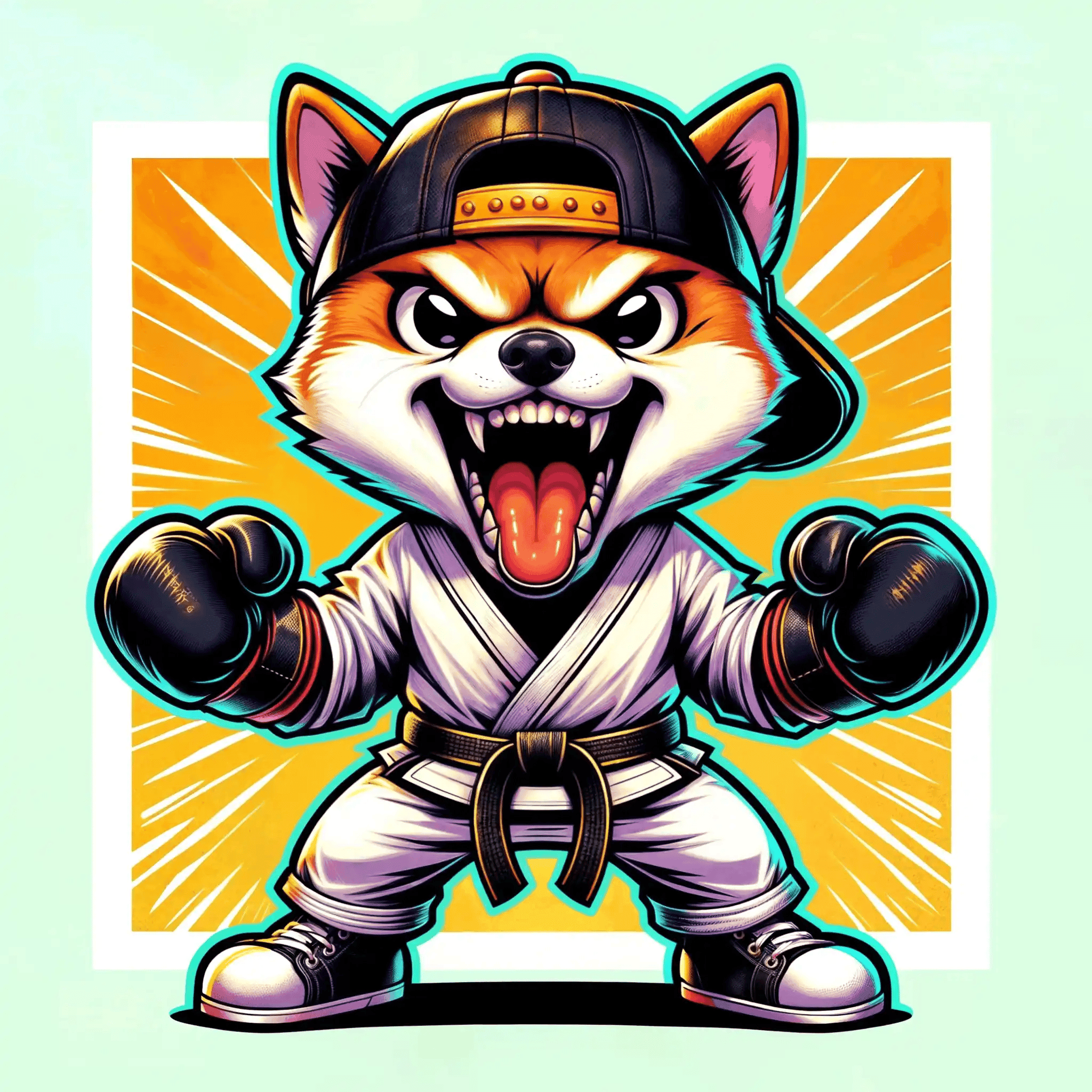
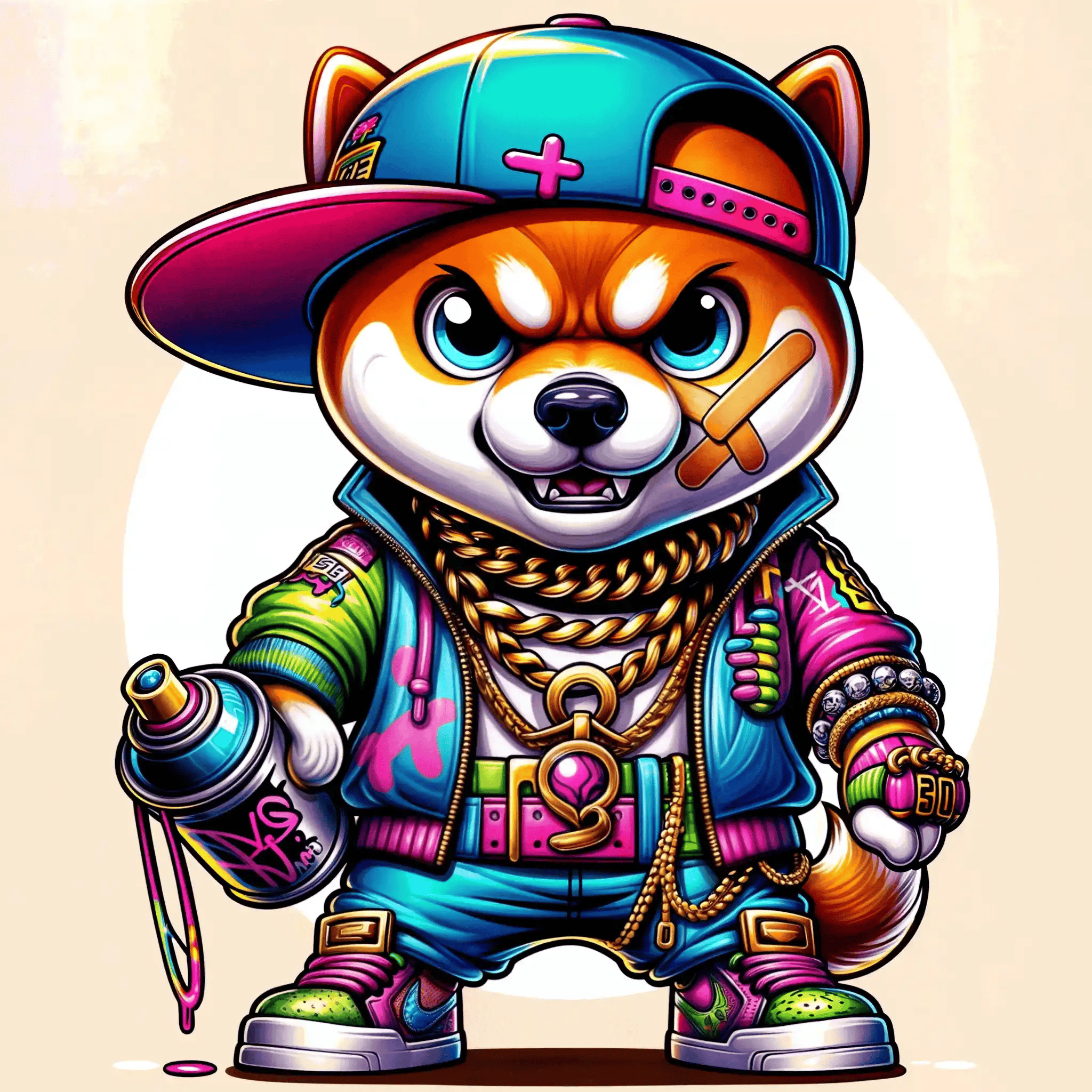
Only a few NFTs left 🕒
Secure a unique piece of digital art before it’s gone forever!
Success Stories in NFT Art and Digital Art
Beeple and the Record Sale at Christie’s
NFT art gained worldwide attention through the historic sale of “Everydays: The First 5000 Days” by Beeple, auctioned at Christie’s for $69 million. This landmark moment placed Beeple among the most valuable artists globally and proved the economic and cultural potential of NFTs in legitimizing digital art as a serious and collectible form of art.
Emerging Artists and Popular Platforms
NFT art thrives on platforms like OpenSea, Rarible, and Foundation, which have become vital marketplaces for buying and selling NFTs. These platforms empower emerging artists to gain global visibility and monetize their creative work. Artists such as Pak, FEWOCiOUS, and Mad Dog Jones have earned fame and financial success through NFT marketplaces. Their stories reflect the potential of the NFT community to support innovation and the rapid growth of NFT art.
Challenges and Considerations
Environmental Impact
One of the main concerns around NFTs is their environmental footprint. Many NFTs rely on the Ethereum blockchain, which has traditionally used the energy-heavy proof-of-work (PoW) algorithm. Fortunately, greener alternatives are being implemented, such as the shift to proof-of-stake (PoS) systems and adoption of low-energy blockchains, making the future of nft art more sustainable.
Copyright and Intellectual Property
While NFTs certify the ownership of a digital creation, issues related to copyright and intellectual property still present legal complexity. Artists must understand how smart contracts handle these rights and may need to implement extra protection strategies for their nft art.
Conclusion
NFTs are redefining the world of digital art. They offer new avenues for artists, democratize the art market, and promote innovative expressions. Despite ongoing challenges, the potential of nft art to reshape the creative industry is immense. As technology advances, we can expect even more groundbreaking uses and growth in the realm of digital art.
Join the collectors shaping the future of nft art 💎
Visit my Opensea profile and discover digital works full of identity and creativity.
How useful was this post?
Click on a star to rate it!
Average rating 5 / 5. Vote count: 1
No votes so far! Be the first to rate this post.
As you found this post useful...
Follow us on social media!
We are sorry that this post was not useful for you!
Let us improve this post!
Tell us how we can improve this post?